Home Generator Installation in Utah County, UT
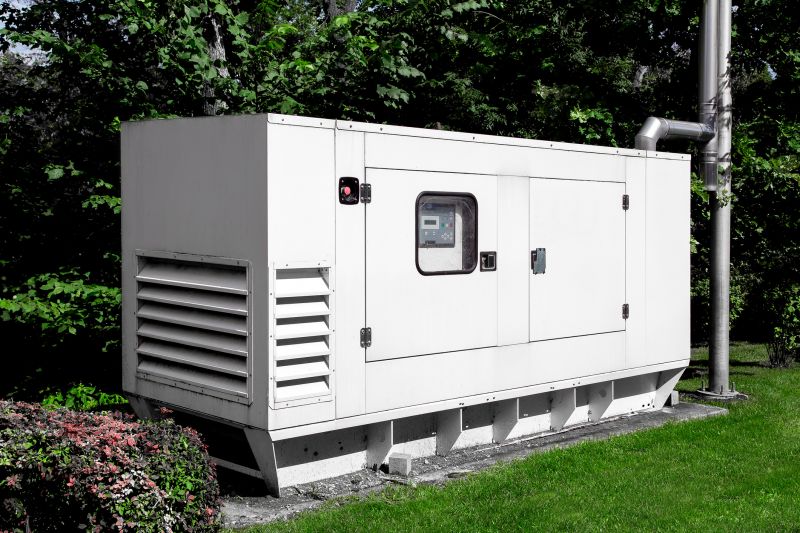
Home generator installation services involve setting up backup power systems that automatically activate during power outages. These systems are designed to provide electricity to essential household circuits, ensuring continued operation of appliances, heating or cooling systems, and lighting. Projects can range from installing smaller, portable generators to full-home standby units that are integrated into the property’s electrical system. Homeowners typically want to understand the size and capacity of the generator needed for their household, the installation process, and how the system will connect to existing electrical panels to ensure reliable backup power.
Property owners often inquire about the placement options for generators, maintenance requirements, and the compatibility of different generator models with their home’s electrical setup. It’s important to consider factors like the generator’s noise level, fuel type, and proximity to living spaces or structures. Understanding these details helps homeowners make informed decisions about the best backup power solution for their property, ensuring safety, convenience, and peace of mind during outages.
Many property owners in Utah County, UT look into Home Generator Installation for repairs, replacements, upgrades, and appearance-related improvements.
Home Generator Benefits
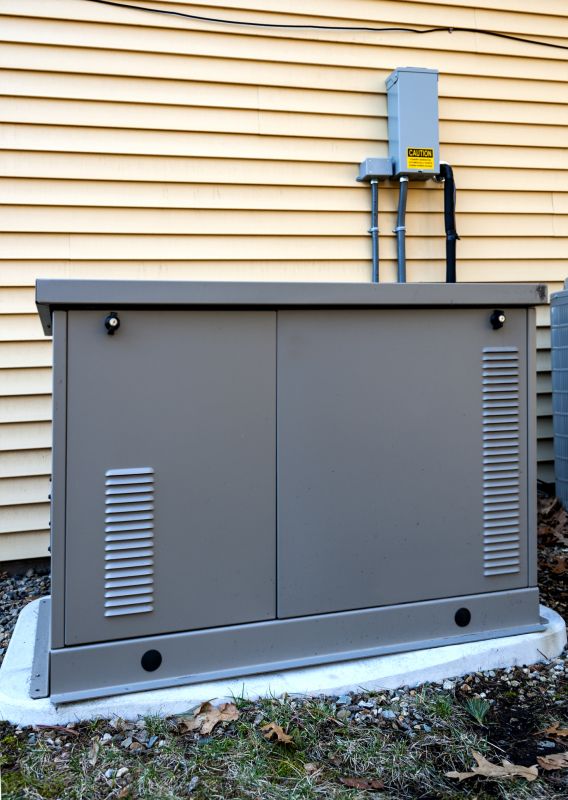
Ensuring continuous power during outages to keep your home safe and comfortable.
Installation Considerations
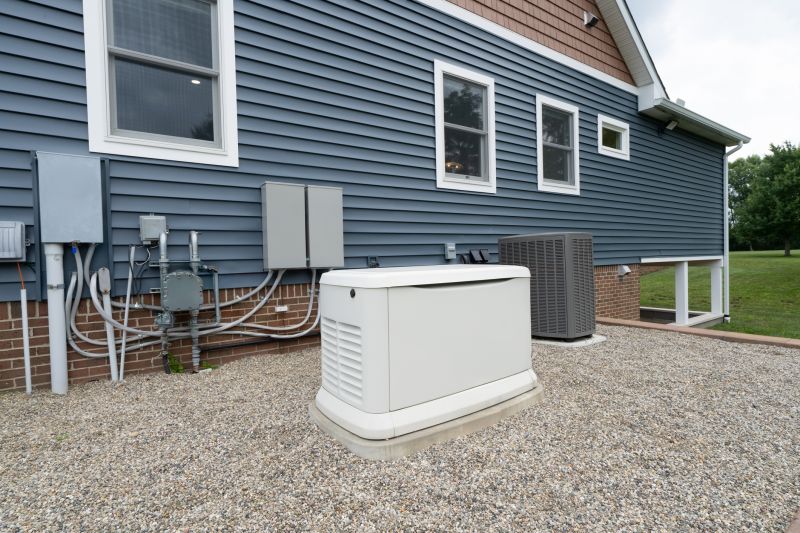
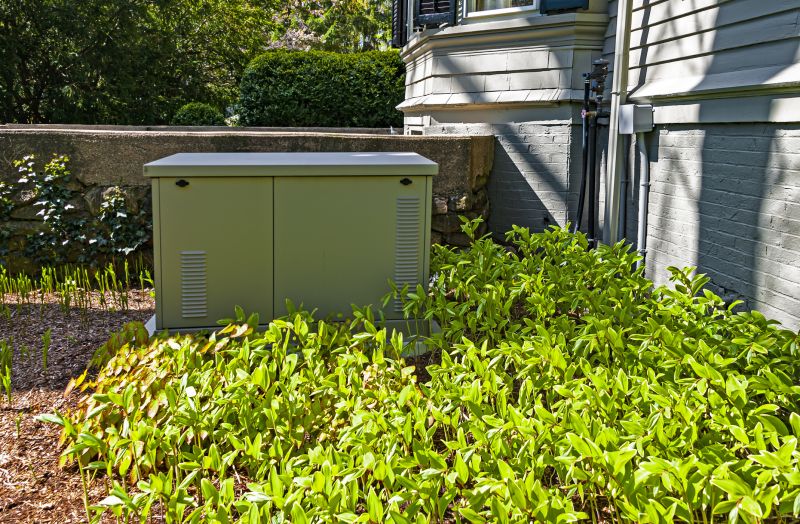
Proper placement and sizing are key to reliable backup power for utah county homes.
Maintenance & Safety
Regular upkeep helps ensure your generator operates efficiently when needed most.
Home Generator Installation in Utah County, UT

Home generator installation services involve setting up backup power systems that automatically activate during power outages. These systems are designed to provide electricity to essential household circuits, ensuring continued operation of appliances, heating or cooling systems, and lighting. Projects can range from installing smaller, portable generators to full-home standby units that are integrated into the property’s electrical system. Homeowners typically want to understand the size and capacity of the generator needed for their household, the installation process, and how the system will connect to existing electrical panels to ensure reliable backup power.
Property owners often inquire about the placement options for generators, maintenance requirements, and the compatibility of different generator models with their home’s electrical setup. It’s important to consider factors like the generator’s noise level, fuel type, and proximity to living spaces or structures. Understanding these details helps homeowners make informed decisions about the best backup power solution for their property, ensuring safety, convenience, and peace of mind during outages.
Many property owners in Utah County, UT look into Home Generator Installation for repairs, replacements, upgrades, and appearance-related improvements.
Common Home Generator Installation Jobs
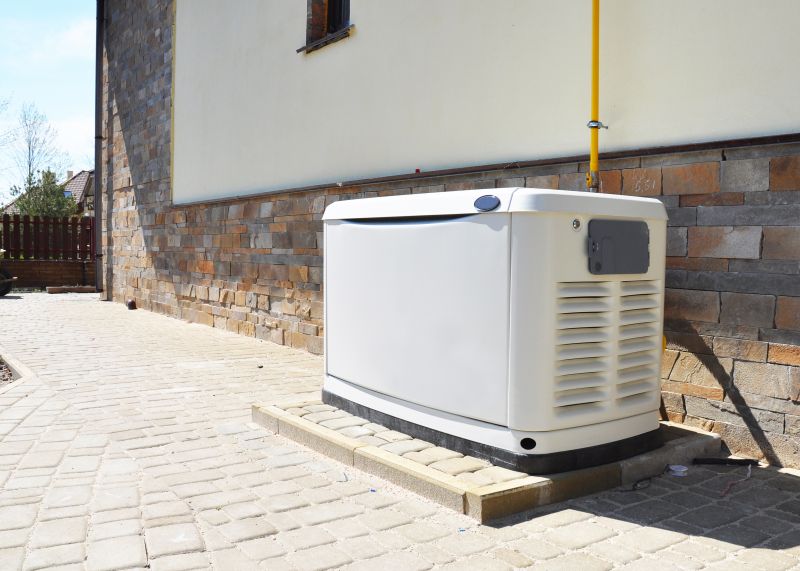
Whole-house generator installation - ensures continuous power supply during outages for all home systems.
Standby generator setup - provides reliable backup power for essential appliances and electronics.
Portable generator connection - allows temporary power solutions for specific areas or outdoor use.
Generator transfer switch installation - enables seamless switching between utility power and backup source.
Custom generator system design - tailored to meet the specific energy needs of residential properties.
Generator maintenance and upgrades - supports optimal performance and extends the lifespan of existing systems.
Home Generator Installation Questions
What types of homes are suitable for home generator installation? Most residential properties, including single-family homes and small multi-unit buildings, can accommodate a home generator with proper planning and setup.
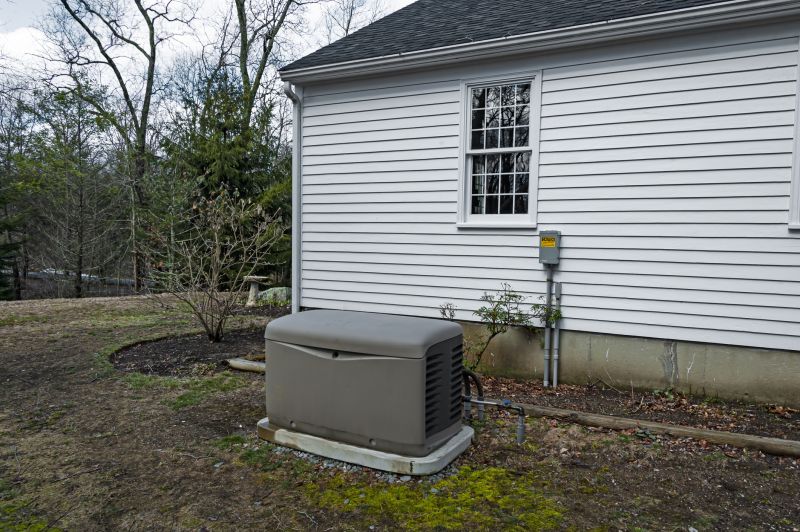
How does a generator connect to a home’s electrical system? Generators are integrated through a transfer switch that safely connects the generator to the home’s electrical panel, ensuring seamless power transfer during outages.
What should property owners consider before installing a home generator? It's important to evaluate power needs, available space, and local regulations to determine the best generator size and placement for the property.
Are there different types of home generators available? Yes, common options include standby generators that run on natural gas or propane, and portable generators that can be moved as needed.
Request Home Generator Installation in Utah County, UT
Use the quote form on this page to share the basics of your project and request more information for the type of work you need.